
Wharton Place
Passion for Historic Preservation
leads to permanent land protection
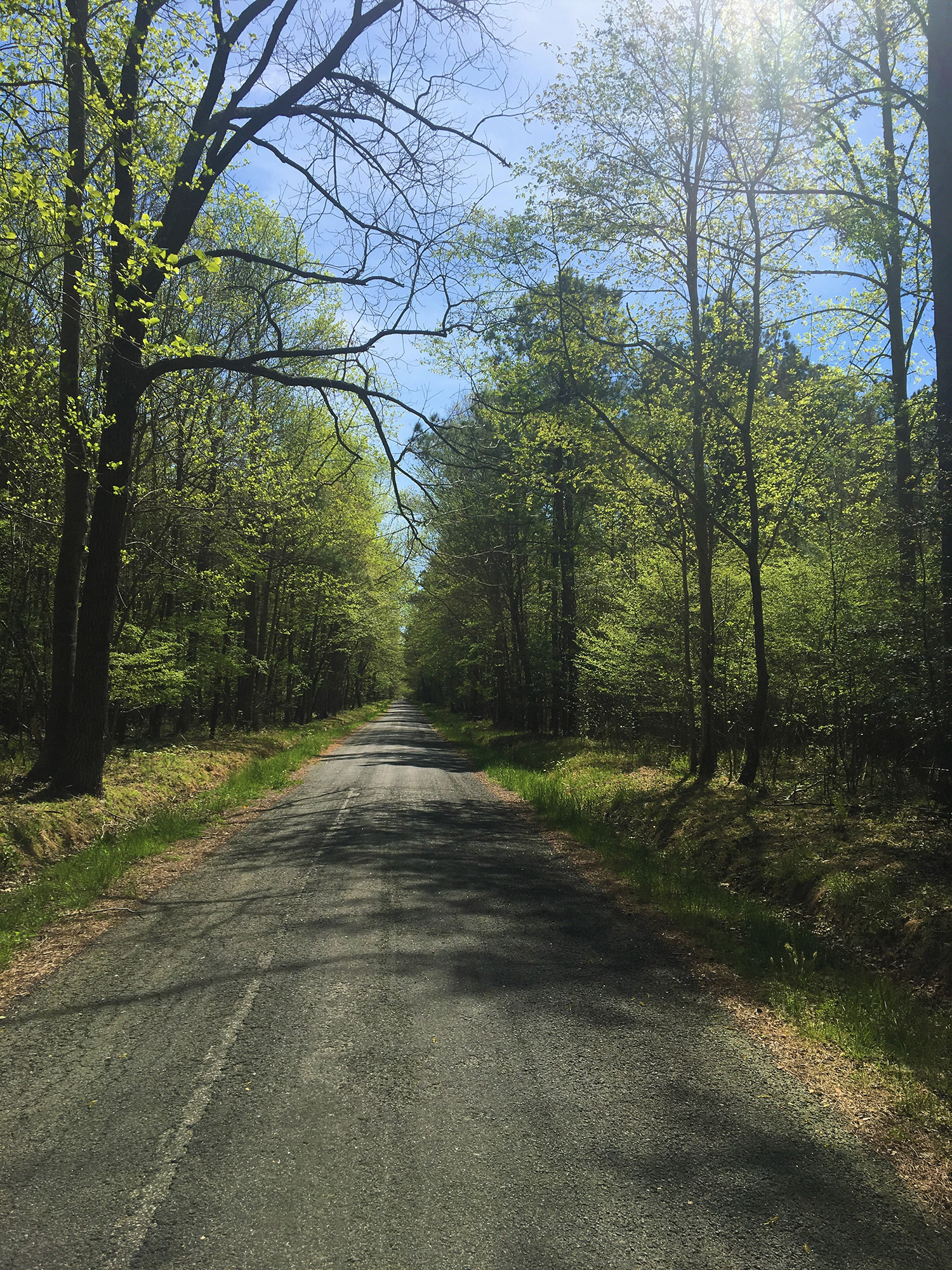
In 2001, John Graham, a Hampton, Virginia native, found himself regularly driving back and forth between New York, where he lived, and Hampton. He was helping his parents move from his childhood home to an independent and assisted living facility. The drive down I-95 through the DC area was taxing. In what proved to be a twist of fate, a friend recommended John try Route 13 along the Eastern Shore. “I really enjoyed the scenic drive down Route 13, the water vistas, the wide-open agricultural spaces, and the general beauty of the place,” John reminisced, “Thankfully these things that drew me to the Eastern Shore are largely unchanged.”
Passion for historic preservation leads to permanent land protection.
a new route became a new life
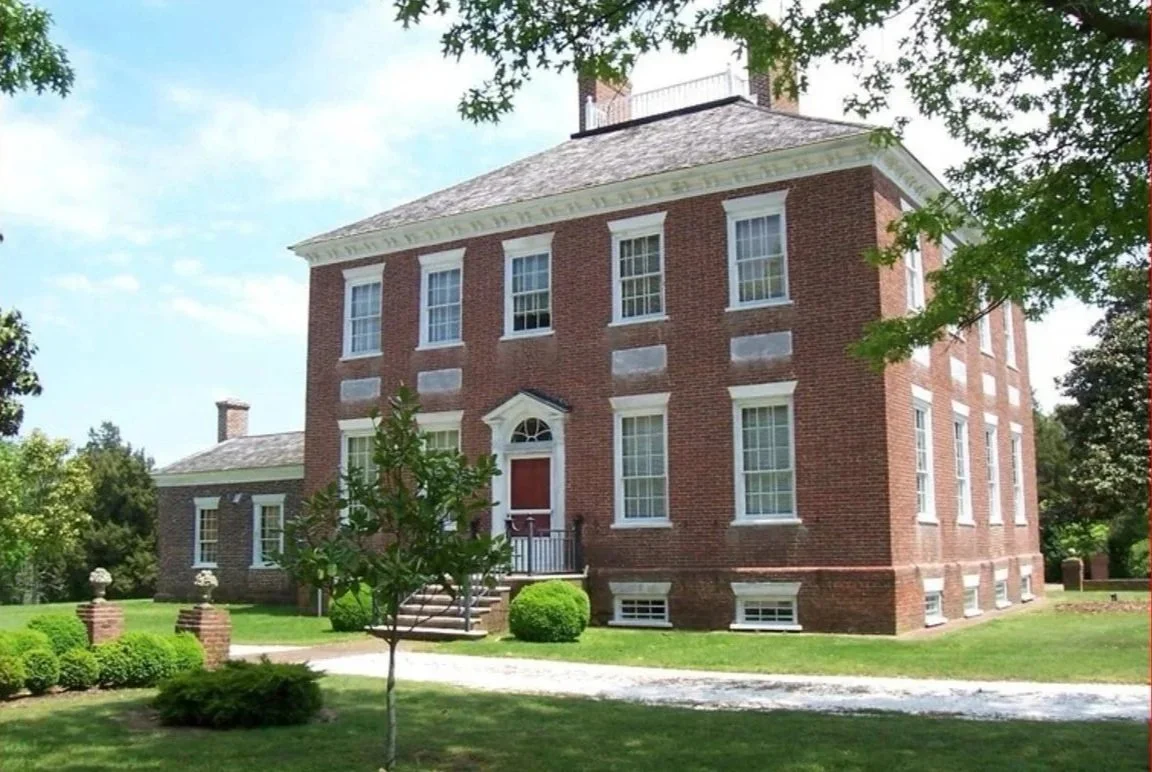
The enjoyable new drive and a guilty pleasure of checking the National Trust for Historic Preservation’s Preservation Magazine real estate section led John to visit Wharton Place. Wharton Place was built in the early 1800s by John Wharton, a maritime merchant, born in Accomac, Va. The house is generally Federal in style, although there are a few exceptions in some of the architectural treatments. The corners of the home mark the compass points. The rooms are arranged to maximize sunlight and natural air flow. “The builder was a sea captain, and that nature-based logic is evident. Also, at approximately 42 feet above sea level, there’s a great slope from the house down to the shoreline which looks to have been purposefully terraced, and is perhaps remnants of its early landscape design,” John Graham explained.
The home, Wharton Place, is listed on both the Virginia Landmarks Register and the National Register for Historic Places. It also holds an honorary historic landmark designation from the Philadelphia Historical Society. Prior owners believed John Wharton employed a Philadelphia architect as it was thought the house more resembled houses of that period from the city than the more typical Eastern Shore style homes nearby. In addition, four of the mantels bear the stamp of Robert Wellford of Philadelphia. It is now believed, however, the house is part of a collection of Virginia and Maryland Eastern Shore homes, including Kerr Place and Brownsville, constructed by Isaac Gibbons of Somerset County, Maryland, as the carpenter/joiner and Cyrus Sharp, perhaps also of Somerset County, as the brick mason.
John Graham was so struck by the place and the historic home he eventually purchased it with 45 acres in 2002. He subsequently expanded the surrounding land to 100 acres. The property now encompasses 2,500 feet along Assawoman Creek, tidal marsh, mixed forest, agricultural land, a historic cemetery, and part of the Assawoman Fen Conservation Site.
labor-of-love
“It’s good to know that the property will be protected and preserved in perpetuity, but with enough flexibility to allow future generations to make some predetermined additions and alterations.”
- John Graham, Wharton Place easement donor
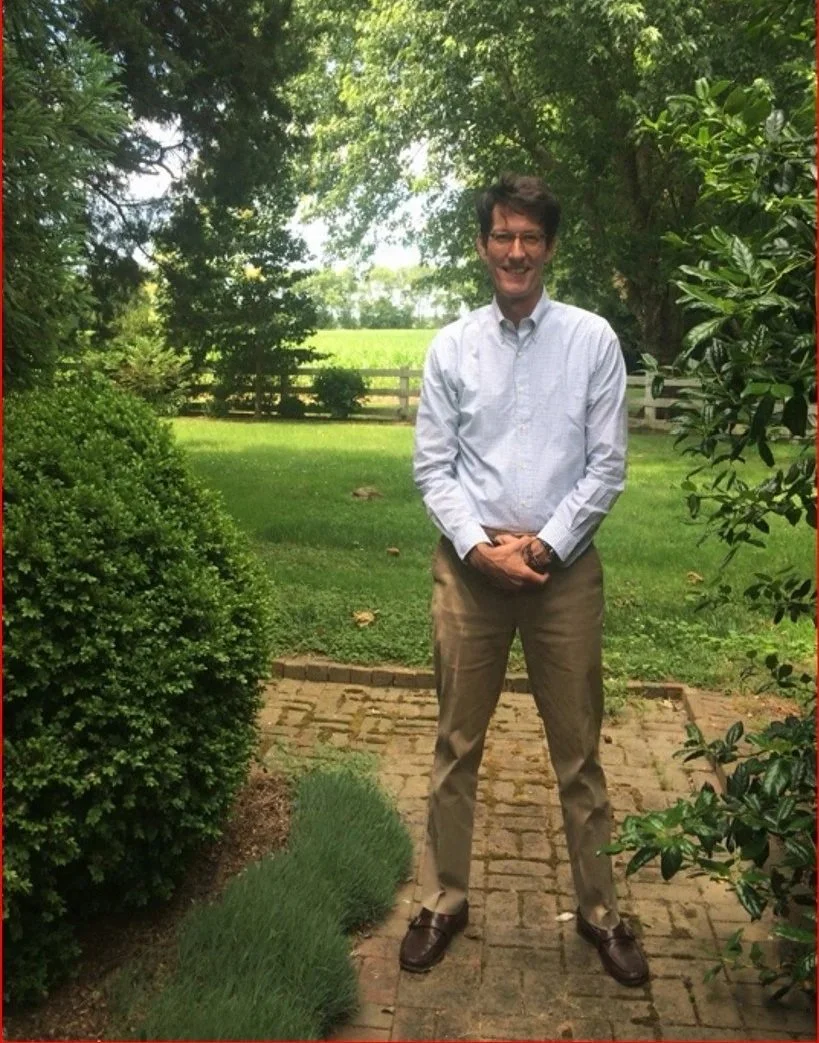
John continues to renovate the home bringing it back to its original early 1800’s style. “It has been an ongoing labor-of-love project and a fascinating exercise in architectural forensics. There still remains some trace of what came before and even originally to guide in its restoration, from the interior and exterior paint colors, to the masonry construction relationship between the main house and the quarter kitchen, to the shingles used for the roof. It’s an unending series of wonderful eureka moments,” he divulged.
If you want to protect and preserve your land, do it.
While already familiar with and interested in historic preservation, John was introduced to protection and preservation of land while in Massachusetts. A nearing residential development to Wharton Place further reinforced his desire to permanently preserve what he loves about the Shore: its water views, open and agricultural spaces, and natural beauty. John also added, “There’s a certain amount of ‘lore’ with any older property: and for mine, one of the stories was that the original builder had thousands of acres of land holdings that stretched from seaside to bayside and included parts of the Barrier Islands where his sheep were kept.” Expanding the property to 100 acres from the 45 and subsequently permanently protecting it is his small contribution to keeping some of that legacy intact.
John donated a conservation easement on Wharton Place with VES Land Trust in 2006. Wharton Place marked 5,000 acres of permanently protected land with VES Land Trust on Virginia’s Eastern Shore in just three years. Since protecting the property, John has noticed “an increased collective appreciation for the Eastern Shore and the need to protect what makes it special, from both aesthetic and ecological perspectives.” He encourages other landowners to consider a conservation easement on their land and said, “If you want to protect and preserve your land, do it. While it’s not as easy perhaps as buying something on Amazon, the VES Land Trust, legal, appraisal, and tax accounting professionals involved in conservation easements are thoroughly versed in the technical in’s and out’s to make the process smooth and much less intimidating than one could imagine.” When asked how he feels his decision to protect Wharton Place will impact future generations, John responded, “It’s good to know that the property will be protected and preserved in perpetuity, but with enough flexibility to allow future generations to make some predetermined additions and alterations.”